

Colleva is an AI-powered platform that delivers avatar-led, interactive coaching and professional development at scale.
The product enables organizations to simulate real business interactions using advanced AI avatars, allowing professionals to practice sales conversations, leadership scenarios, presentations, and feedback sessions while receiving structured, data-driven insights.
Colleva supports teams across sales enablement and learning and development by providing AI-native experiences that replicate high-stakes, real-world interactions.
Colleva’s founder Michael discovered Matteo through LinkedIn, where Matteo was publishing content around go-to-market systems, outbound strategy, and pipeline engineering.
After several conversations on LinkedIn, they scheduled a call to discuss how to build a structured outbound system that could support both learning and revenue generation. From that first call, they decided to work together on engineering a LinkedIn-led outbound motion designed to validate segments and generate qualified pipeline.
Colleva was in an early go-to-market phase where learning speed was critical.
As an early-stage AI company, growth depended on quickly understanding which segments responded to the product, which roles converted into buyers, and how to turn that learning into predictable pipeline.
They needed to test multiple industries, ICPs, and buyer personas while simultaneously generating pipeline to support commercial traction. This required a system that allowed experimentation without sacrificing structure, visibility, or control.
1. Product market fit validation
Colleva needed to identify which segments, roles, and messages consistently converted into sales conversations and pipeline.
2. Lack of a structured outbound system
A previous outbound attempt failed due to the absence of a clear system connecting targeting, messaging, execution, follow-up, and measurement.
3. Lack of reporting and CRM connection
There was no reliable way to connect LinkedIn activity to pipeline outcomes, which made learning slow and scaling difficult.
- Analyzed Colleva’s market, product positioning, and ICP hypotheses
- Defined priority segments, buyer roles, and testing assumptions
- Structured the engagement to prioritize learning first, then scale
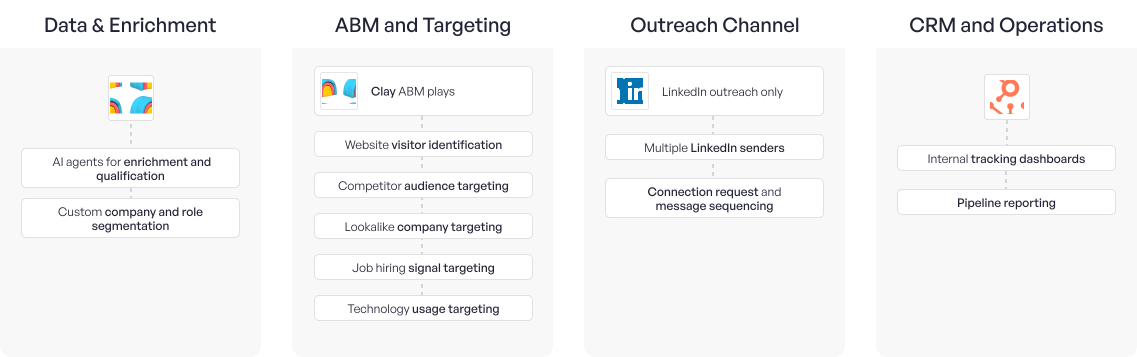
- Built highly qualified lead databases using Clay and AI agents
- Segmented accounts by industry, hiring signals, technology usage, and similarity to ideal customers
- Designed ABM targeting strategies including:
1. Website visitor re-engagement
2. Competitor audience targeting
3. Lookalike account targeting
4. Companies hiring for specific roles
5. Companies using relevant technologies
- Used LinkedIn as the primary acquisition channel
- Implemented a controlled sending infrastructure to protect deliverability
- Distributed activity across multiple accounts with clear pacing rules
- Maintained account hygiene and operational safety
- Launched multiple LinkedIn campaigns in parallel
- Tested campaign concepts, value propositions, and decision-maker roles
- Measured performance across connection rate, reply rate, and conversation quality
- Scaled volume after identifying consistent winners
- Connected outbound activity directly to pipeline tracking
- Ensured replies, meetings, and opportunities were properly attributed
- Enabled visibility into which segments and campaigns generated revenue impact

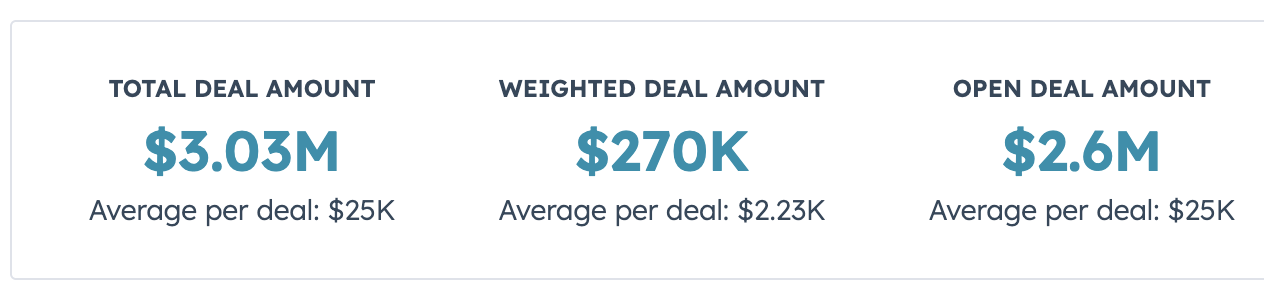
- $2.6M in qualified pipeline generated in six months
- 27.1% connection request acceptance rate
- 23.8% reply rate
- LinkedIn used as the primary outbound channel
- High-performing segments and buyer personas identified
- A repeatable outbound system supporting learning and revenue



Book a strategy call to build an outbound engine like this

We automated both sides of the recruiting workflow so the right conversations happen without manual research.

We worked with BIGVU to build their outbound motion from scratch, targeting real estate agents and brokers by scraping Zillow listings and layering social signals to personalise every message.